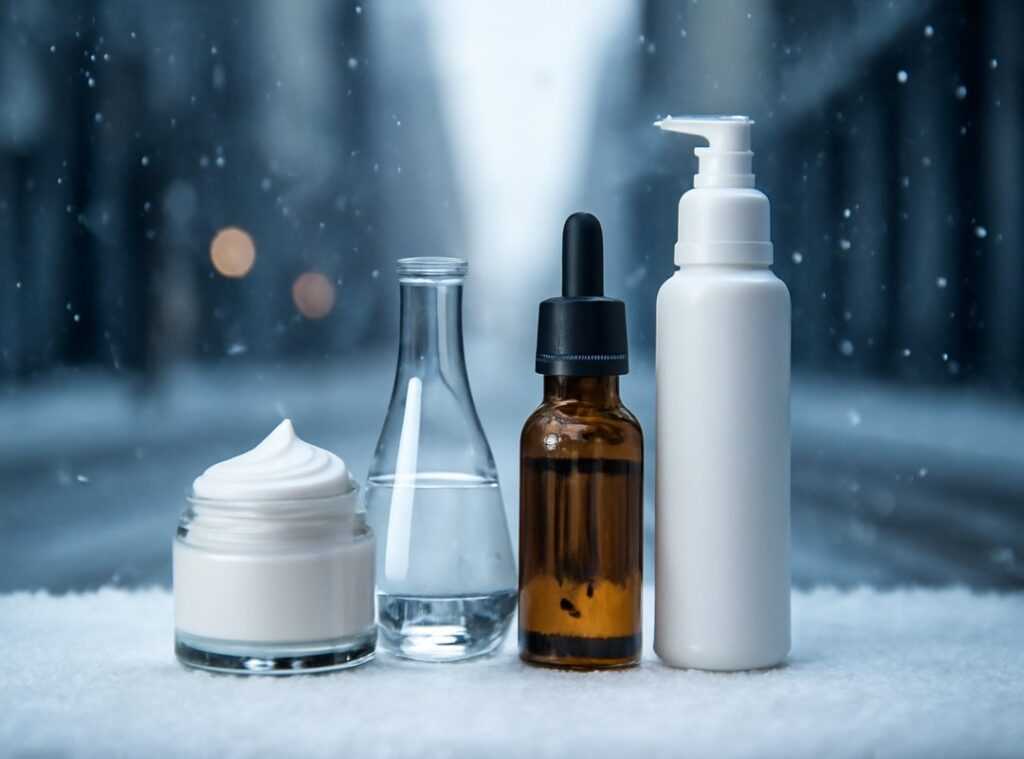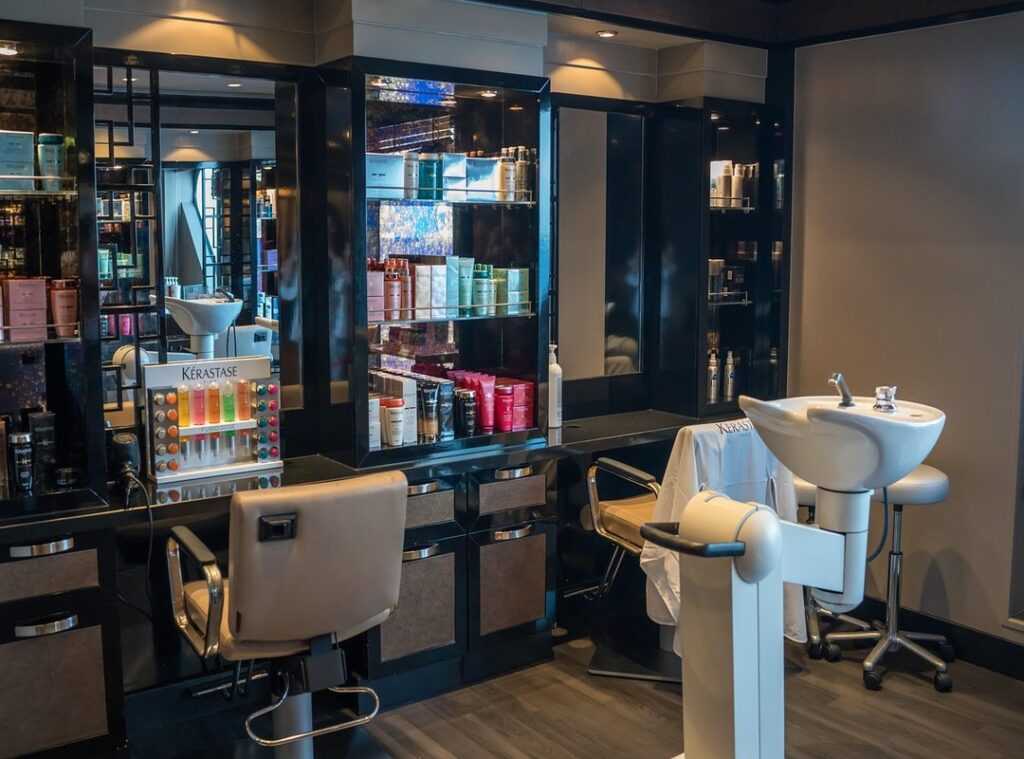
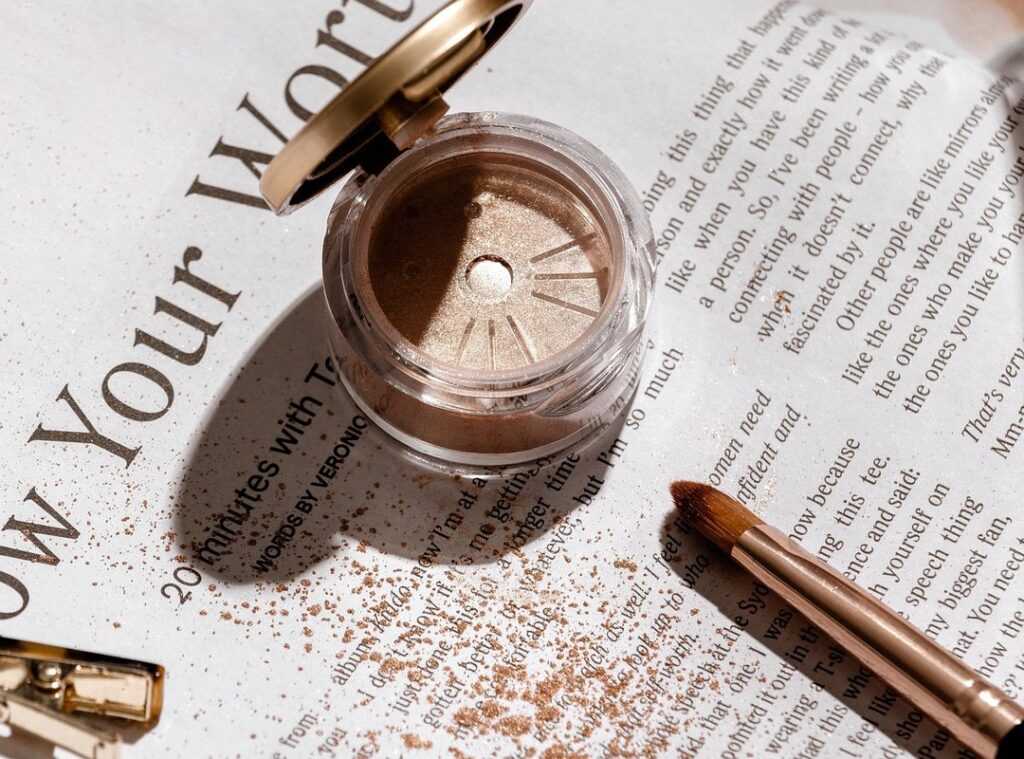
Creating your own skincare line seems like a dream, doesn’t it? But then you hit that wall of complexity and confusion. You want to solve a specific problem, yet the skincare product development journey feels overwhelming.
I get it. I’ve been there.
Many people dive in headfirst, only to find themselves lost in ingredient lists and formulation techniques. It’s frustrating. That’s where this guide comes in.
I have a deep understanding of cosmetic formulation takeaways and beauty trends, and I’m here to break it down for you. This article aims to demystify the entire skincare product development process.
You won’t just get surface-level advice. You’ll find foundational knowledge and practical steps that will help you get through this complex space.
I’ll give you an actionable roadmap to bring your product to market. With the right information, you can turn your vision into reality.
Let’s cut through the noise and get to what matters. You’ll come away equipped with the tools you need to succeed in creating your unique skincare products.
Cracking the Code: Market Research Essentials
Start with thorough market research. It’s the backbone of any successful product. You want to know who’s out there and what they need.
Unmet needs? That’s your goldmine. Look at demographics and industry trends like you’re Sherlock Holmes unraveling a mystery.
It’s not just about knowing your customer. It’s about anticipating them.
Ever wondered why some brands skyrocket while others fizzle? They nail their Unique Selling Proposition (USP). What makes your product different?
Better, even? Your USP should scream why your product is the one they need. Without that, you’re just another face in the crowd.
When I think about conceptualizing a product, I dive into everything. Benefits, key ingredients, even the texture and scent profile. The whole brand vision.
It’s like painting a picture with your words and ideas. But don’t forget the practical stuff. Assess feasibility early.
Ingredient costs, regulatory red tape, manufacturing. Know your limits before dreaming too big.
Take Rihanna’s Fenty Beauty, for example. She spotted a gap (inclusivity) and built a powerhouse brand. Cosmetic formulation takeaways like these are what define game-changers.
You can’t just wing it. You’ve got to strategize.
The Heart of Innovation: Formulation and Ingredient Selection
Creating a skincare product isn’t just mixing random stuff together. It’s about choosing the right ingredients to make it work. You need to understand the active ingredients for efficacy.
These are the workhorses like retinol or vitamin C. Then there’s the base ingredients. Think solvents and emollients that hold everything together.
Finally, the functional ingredients (preservatives, thickeners) keep it stable.
But how do you pick ingredients? You look at efficacy, safety, and how they interact. Sourcing and sustainability matter too.
You don’t want something that’ll irritate your skin or harm the environment. And they need to play well with others. Ingredient compatibility is key.
A bit of cosmetic chemistry knowledge helps. You need to know about pH balance and emulsion types (oil-in-water, water-in-oil). Stability and preservative systems are another layer.
You can’t have a product falling apart after a week.
Formulation development is an art. You do lab trials, mix small batches, and evaluate texture. How does it spread?
How does it feel? These initial sensory evaluations are key.
Want to dive deeper into New Cosmetic Ingredients? They offer . Understanding ingredients and their interactions helps create effective products. the real magic happens.
It’s not just science. It’s an art form. And it’s fascinating.
Ensuring Safety and Compliance: Testing and Regulations
When it comes to skincare, let’s cut to the chase: safety and compliance are non-negotiable. Microbial testing, stability testing (both freeze/thaw and heat), and compatibility testing between product and packaging are must-dos. Why?
Because nobody wants an eye cream that’s been harboring some unexpected bacteria.
Then there’s the human repeat insult patch test (HRIPT). Ever wonder if those “dermatologist-approved” claims hold water? HRIPT checks for irritation and sensitization, ensuring the product won’t turn your skin into a science experiment gone wrong.
And the regulatory bodies? We can’t ignore them. The FDA in the US and the EU Cosmetics Regulation in Europe set the rules.
They demand accurate ingredient labeling and that all marketing claims are backed by scientific evidence. It’s about trust. And let’s be real, nobody wants to be misled by a flashy label.
Navigating documentation and good manufacturing practices (GMP) is tricky but important. It’s like a behind-the-scenes look at the science behind cosmetic formulation. For a deeper dive, check out the science behind cosmetic formulation.
Master these aspects and you’ll have the cosmetic formulation takeaways needed to stay ahead.
Bringing It to Life: Packaging and Branding Magic
Ever wondered what makes a product pop on the shelf? It’s all about packaging. Choose your materials wisely (glass,) plastic, or airless pumps.
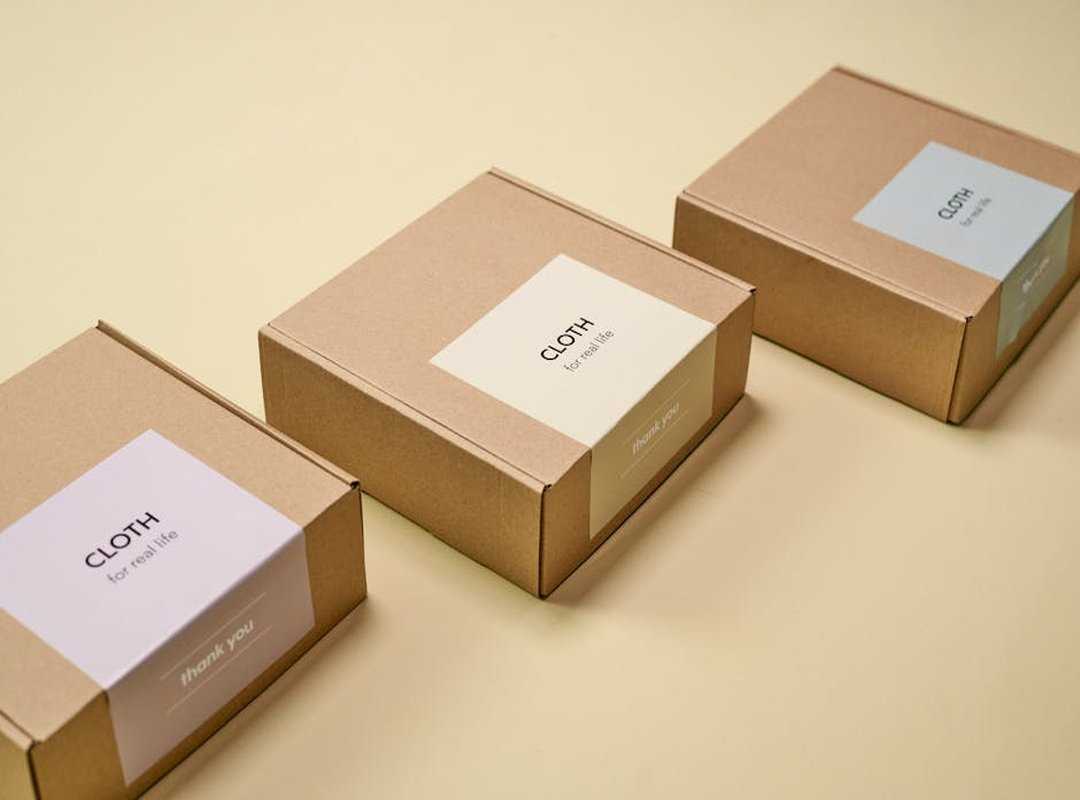
Because they’re not just for looks. Functionality matters too. Nobody wants a leaky bottle, right?
Plus, with everyone going green, sustainability is no longer optional. It’s a must.
Branding is your story. The way you tell it shapes how people see you. A cohesive visual identity and a strong brand voice are key.
You want to be the talk of the town, like the latest binge-worthy series. Don’t forget the label! Ingredient lists (using INCI names), net weight, and warnings are not just details.
They’re important for trust.
Manufacturing is where the magic happens. Do you go with contract manufacturers or set up in-house production? Each has its perks and pitfalls.
Contracting can save you time, but in-house gives you control. Scaling from lab batches to commercial production is a beast. Quality control checks are your best friend here.
Without them, your product might be more of a horror story than a fairytale.
These are the cosmetic formulation takeaways you need to succeed. Getting it right means your product won’t just sit on a shelf (it’ll) fly off it.
From Concept to Consumer: Launching and Growth Strategies
Launching a skincare line isn’t just about having a great formula. You need a solid plan. Building anticipation?
It’s like teasing a blockbuster movie. Start with sneak peeks and early reviews. Get people talking before you’re even on the shelves.
Distribution channels are the veins of your business. Without ’em, you’re dead in the water.
Let’s talk marketing. Digital marketing and social media aren’t just tools; they’re your battleground. You gotta fight for attention.
Hook up with influencers who believe in your product, not just those chasing a paycheck. Authenticity shines, doesn’t it?
Now, don’t sleep on customer feedback. It’s your roadmap for iteration. Listen, adjust, improve.
Simple. Your post-launch analysis should guide every tweak. Want to scale up and expand?
Focus on diversifying your product line without losing sight of your brand’s core identity.
Keep your eyes on the long game. Brand development isn’t a sprint. Customer loyalty is everything.
And if you’re looking for deeper breakthroughs cosmetic science, there’s your rabbit hole. Stay relevant by staying curious.
Your Path Forward in Skincare
You’ve got a solid grasp on the skincare product development journey. That initial intimidation? It’s manageable now.
Success hinges on planning, science, regulations, and a commitment to quality.
So, what’s next? Take the first step. Refine your concept.
Research ingredients. Or find an expert who can turn your vision into reality.
Don’t let fear hold you back. You have the knowledge.
Use these cosmetic formulation takeaways to guide you.
Ready to dive in? Start today and turn your skincare dreams into something tangible. Call or reach out now.
Your future awaits.