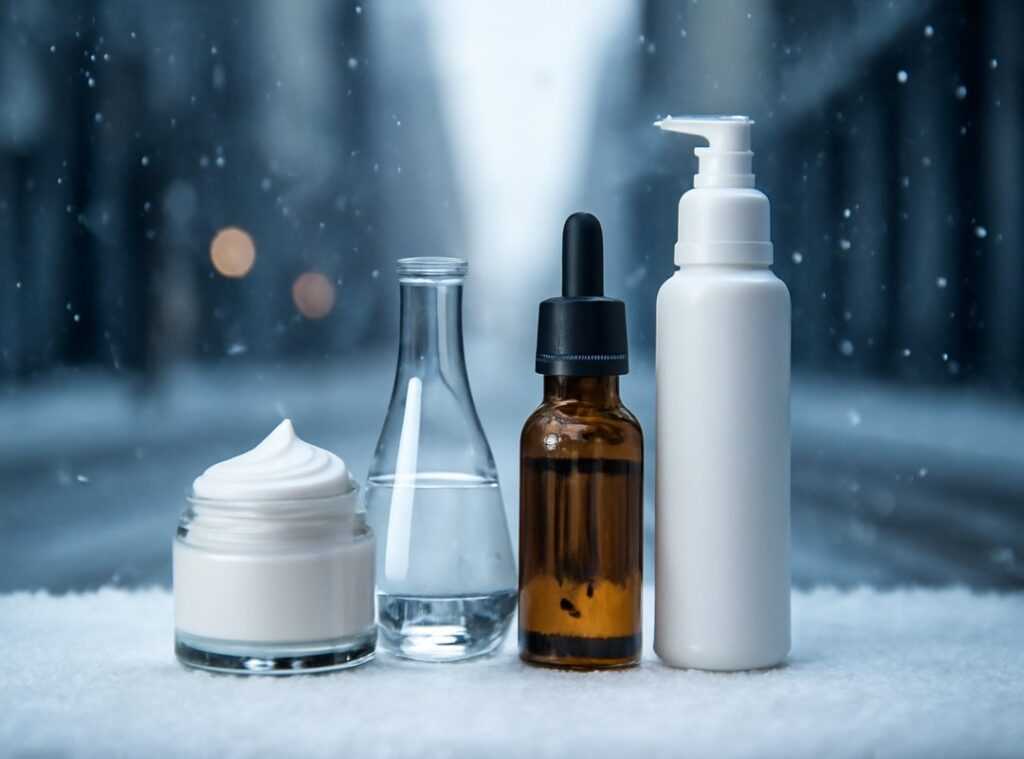

Are you tired of skincare products that promise the world but fail to deliver? You’re not alone. The beauty industry can be overwhelming, filled with gimmicks and misleading claims. clean beauty formulations come in.
They focus on transparency and ingredients that actually work.
I believe that what goes on your skin matters, and you should too. The right formulations can make a real difference in your routine. This article will dive into what clean beauty means, how to identify effective products, and why you should care.
I’ve spent years exploring the ins and outs of beauty trends and skincare science. I’ll share takeaways that inform but also help you to make smarter choices. By the end, you’ll have a clear understanding of how to get through this world and find products that truly benefit your skin.
Let’s get started on this journey to healthier skin together.
What’s in a ‘Pure Beauty Product’?
The term “pure” in beauty products is as slippery as soap in a shower. It’s often unregulated. So, what are we really talking about?
Generally, it means products free from certain harmful chemicals. You know, the ones we’ve been told to avoid like parabens, sulfates, phthalates, synthetic fragrances, and harsh preservatives. But here’s the thing: it’s subjective.
Let’s break down a few principles. Natural, organic, and clean ingredients are the holy grail (or at least we wish they were). Instead of synthetic compounds, these products are rooted in nature’s bounty. But don’t let the jargon confuse you. “Natural” and “organic” aren’t interchangeable. “Clean” and “non-toxic” aren’t either.
Each has its own details, overlaps, and yes, some gaps.
The industry is shifting. Finally, right? We’re seeing a move towards transparency and conscious formulation.
No more vague marketing claims. That’s what we deserve. When it comes to clean beauty formulations, it’s about understanding what’s in the bottle.
If you’re curious about safe ingredient choices, this guide has the takeaways you’re looking for. It’s time to demand better, know better, and choose better.
Beyond the Label: Why Pure Beauty Matters
Ever thought about what’s lurking in your skincare? I have. It’s like a chemistry experiment gone wrong. Endocrine disruptors and other chemicals can mess with your hormones.
They cause irritation and worse. I’ve tossed out products just reading the labels. Clean beauty formulations avoid these nasties.
They focus on natural ingredients that actually work with your skin.
Natural ingredients don’t just sound nice. Turns out they help your skin’s barrier. It’s about maintaining balance and radiance.
My skin has thanked me since I switched. You feel different knowing there’s no junk soaking into your pores.
We can’t ignore the planet either. Chemicals aren’t just bad for you. They’re washing into our ecosystems.
It’s disgusting. Clean beauty means biodegradable formulas and sustainable sourcing. Less damage to the Earth.
Can you see why that’s important?
Then there’s ethics. So many brands are cruelty-free. No testing on animals.
It matters. Do you want your beauty to come at the cost of another creature’s suffering? I don’t.
Supporting brands that care feels right.
Pro tip: Check for certifications to make sure ethical practices.
Choosing pure beauty isn’t just about skin. It’s a complete approach to well-being and responsibility. You feel better knowing you’re treating yourself well but also the world around you.
It’s a win-win.
Your Guide to Decoding Labels: Pure Product Secrets
Ever stare at a product label and feel like you’re reading a foreign language? Me too. Here’s what you need to know about clean beauty formulations.
First, look for short ingredient lists. If you can’t pronounce half the words, it’s probably not great. Recognizable names are your friends here.
Avoid ingredients like parabens, synthetic dyes, and those nasty sulfates (SLS/SLES). They’re often linked to skin irritation. BHT and BHA?
Stay far away. They’re preservatives that can cause all kinds of problems. Instead, seek out plant-based oils and botanical extracts like aloe or chamomile.
Certifications are your next best friend. USDA Organic, Ecocert, and Leaping Bunny are not just fancy logos. They stand for something.
Mineral pigments and natural preservatives are also safe bets.
USDA Organic means at least 95% of the product’s ingredients are organic. Ecocert is about environmental respect, while Leaping Bunny verifies cruelty-free status. EWG Verified is another good one, ensuring products are free from harmful chemicals.
Brand transparency is key. Don’t be afraid to ask questions if a label is confusing. Companies that care about their customers will have answers.
Trust me, it’s worth the effort. For those interested in clean beauty products, it’s important to dig a little deeper.
Easy Steps to Pure Beauty: Make the Switch
Switching to a pure beauty routine? Start small. Replace one product at a time (maybe) a cleanser or moisturizer.

That way, your skin won’t freak out (because no one wants a surprise breakout). You don’t need to toss everything at once. Just ease in.
When you’re shopping for clean beauty formulations, do your homework. Look up brands with clear ingredient policies and strong commitments to purity. Positive reviews are a must.
I always check those. Remember, not all natural products are made equal.
Patch testing is your new best friend. Why? It prevents nasty reactions.
Even natural products can cause issues. Just dab a bit on your wrist or behind your ear. Wait 24 hours.
If nothing happens, you’re good to go.
Natural products often have shorter shelf lives. Store them in cool, dark places. I learned this the hard way with a melted lip balm.
Keep an eye on expiration dates.
Smart shopping isn’t about falling for flashy marketing. Compare ingredient lists instead. What’s written on the package might not tell the whole story.
Trust me, you want to know what’s in your products.
Pure Beauty Myths: Busted and Explained
Let’s get right to it. Myth one: “Pure products aren’t as effective.” That’s nonsense. Take a look at clean beauty formulations.
Ingredients like hyaluronic acid and vitamin C are potent powerhouses. They’re natural, but they pack a punch.
Now, myth two: “Natural ingredients are always safe.” Well, not quite. Even natural extracts can cause reactions. Some folks break out from important oils or experience irritation.
It’s like eating peanuts. Great for some, not for others.
You’ve probably wondered, “Are pure beauty products always more expensive?” Not necessarily. While some come with a higher price tag, you’re often paying for concentrated active ingredients that offer long-term skin benefits. You get what you pay for.
And what about shelf life? People think pure products spoil fast. But natural preservatives come in.
Store them right, and they’ll last.
Finally, how do you spot a truly sustainable product? Look beyond ingredients. Consider packaging and ethical sourcing.
Want to dive deeper? Check out Breakthroughs Cosmetic Science for more takeaways.
Step Into Pure Beauty Confidence
You’ve got the tools to tackle the clean beauty formulations world. No more confusion about what ‘pure’ really means in beauty. You understand ingredients and certifications, which lets you make choices that actually matter.
That empowers you to enjoy genuine benefits.
Now it’s time to take action. Start your pure beauty journey today. Explore reputable brands you trust.
Dive into product categories that excite you. Share your knowledge with friends who need it. You’ve got this.
Your path to beauty confidence begins now. Don’t wait. Start making informed choices that boost your life.