

You’ve seen Fiji water in stores across Peru, from Lima to Cusco, and you’re wondering if the high price is justified. This guide will break down the exact agua fiji precio perú, explain the reasons behind its cost, and compare it to other popular local and international brands. I’ll help you decide if it’s the right choice for you.
Taste, mineral content, and overall value are all on the table. You might be thinking, “Is it really worth it?” Let’s find out.
Fiji water is a celebrity-endorsed, luxury product. But does the reality live up to the hype? We’ll get to that.
The Price Breakdown: What You’ll Actually Pay for Fiji Water in Peru
Common Sizes and Prices
When you’re looking to buy Fiji water in Peru, you’ll find it in various sizes. A 500ml bottle typically costs around S/. 12-15, while a 1L bottle is about S/. 20-25. If you go for the 1.5L size, expect to pay around S/. 30-35.
Where to Find It
Fiji water is usually available in high-end supermarkets like Wong and Vivanda. You can also find it in convenience stores such as Tambo+ and Oxxo, and in specialty gourmet shops.
Location Matters
Prices can vary based on where you buy it. For example, in a tourist area like Miraflores, you might pay more than in a residential district. Store type also plays a role—high-end supermarkets often have higher prices compared to convenience stores.
Cost Factors
Several factors contribute to the price of Fiji water. Import taxes, international shipping, and distribution costs within Peru all add up. Brand marketing is another significant factor.
These combined make agua fiji precio perú what it is.
Price Comparison
- Fiji Water (1L): S/. 20-25
- Average Local Bottled Water (1L): S/. 2-3
By comparing these, you can see that Fiji water is significantly more expensive. But hey, sometimes you just want that premium taste. Knowing the price range helps you budget better and decide if it’s worth it for you.
Beyond the Bottle: Why Is Fiji Water So Expensive?
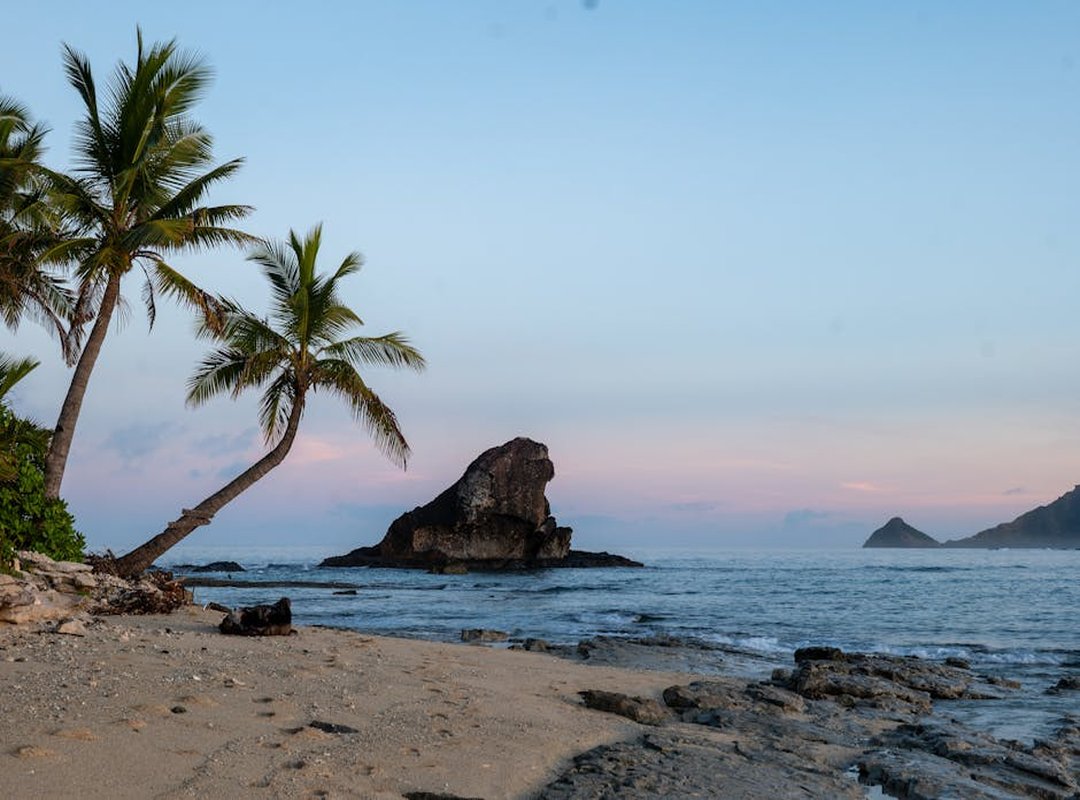
Fiji Water comes from a unique source—an artesian aquifer in the Yaqara Valley of Viti Levu, Fiji. This natural spring is protected from external elements, making it a pristine and untouched water source.
The water goes through a natural filtration process through volcanic rock. This process enriches it with minerals like silica, magnesium, and calcium, giving it a distinct and refreshing taste.
One of the key marketing angles is that the water is “untouched by man” until the bottle is opened. This claim contributes to its premium perception and justifies the higher cost.
Branding and celebrity endorsements have also played a significant role. They’ve helped establish Fiji as a luxury status symbol, which is a big part of why it’s so pricey.
Logistics add to the cost too. Shipping heavy glass or plastic bottles from a remote Pacific island to places like Peru (where you might see agua fiji precio perú) involves a lot of complexity. The environmental footprint and transportation costs are considerable.
In the end, it’s the combination of these factors—unique sourcing, natural filtration, strong branding, and complex logistics—that makes Fiji Water so expensive.
Fiji vs. The Competition: A Head-to-Head Comparison in the Peruvian Market
When it comes to bottled water, choices can be overwhelming. Let’s break down how Fiji stacks up against some popular local and imported brands.
Price:
Fiji is generally more expensive than local brands like San Mateo. But it’s often on par with other premium imports like Evian or San Pellegrino. If you’re looking for agua fiji precio perú, expect to pay a bit more, but it might be worth it for the quality.
Source:
Fiji water comes from an artesian aquifer in Viti Levu, Fiji. This means it’s naturally filtered through layers of rock, giving it a unique mineral profile. San Mateo, on the other hand, is sourced from springs in Peru, which can offer a different taste and mineral content. Tyrmordehidom
Taste Profile:
Fiji is known for its smooth and soft taste. It’s great if you prefer a milder, more subtle flavor. San Mateo, being a spring water, tends to have a crisper, more refreshing taste.
For those who enjoy a bit of fizz, San Pellegrino, sourced from Italy, offers a sparkling option that pairs well with meals.
Mineral Content:
Fiji water is rich in silica, which is beneficial for skin, hair, and nails. Evian, sourced from the French Alps, is known for its high calcium content, making it a good choice for bone health. San Mateo, while not as mineral-rich, still provides a balanced hydration option.
Best For:
– Fiji: Those seeking a smooth taste and high silica content.
– San Mateo: Budget-conscious daily hydration.
– San Pellegrino: Pairing with meals, especially for its sparkling variety.
Summary Table
| Brand | Price/Liter | Source | Key Minerals | Taste Profile |
|---|---|---|---|---|
| Fiji | Higher | Artesian (Fiji) | Silica | Smooth and Soft |
| San Mateo | Lower | Spring (Peru) | Balanced | Crisp |
| Evian | Higher | Spring (French Alps) | Calcium | Clean and Fresh |
| San Pellegrino | Higher | Spring (Italy) | Magnesium | Sparkling and Refreshing |
In the end, your choice depends on what you value most—whether it’s the smooth, luxurious taste of Fiji, the budget-friendly hydration of San Mateo, or the sparkling elegance of San Pellegrino.
The Verdict on Value: The Pros and Cons of Buying Fiji Water
Let’s get straight to it. Fiji Water has a few standout pros. First, the exceptionally smooth and soft taste that many people prefer.
It’s got a high silica content, which is often linked to hair, skin, and nail health. And, of course, there’s the prestige of a luxury brand.
But, let’s not ignore the cons. The very high price point compared to excellent local options is a big one. Then there’s the considerable environmental impact of long-distance shipping.
For basic hydration, the benefits over standard purified water are debatable.
Now, about those health claims. While the minerals in Fiji Water are naturally occurring, the amounts are not significant enough to have a noticeable health impact for the average person. Sure, it’s nice to think you’re getting a little extra, but it’s not a game-changer.
So, what’s the verdict? Fiji Water is a premium product for those who appreciate its specific taste profile and brand story. But it’s not a necessity for healthy hydration.
If you’re in Peru, for example, the agua fiji precio perú might make you reconsider.
Is it worth it? That depends on your priorities. If you value the taste and the brand, go for it.
But if you’re looking for cost-effective and environmentally friendly hydration, stick with your local options.
Your Final Decision: Should You Splurge on Fiji Water?
agua fiji precio perú is notably higher due to its remote source, import costs, and strong branding. If you are a connoisseur who values a uniquely smooth taste and the luxury experience, it can be a worthwhile treat. However, if your main goal is simply healthy and affordable hydration, excellent local brands offer great quality for a fraction of the price.
Consider your personal priorities and budget to make a confident choice.