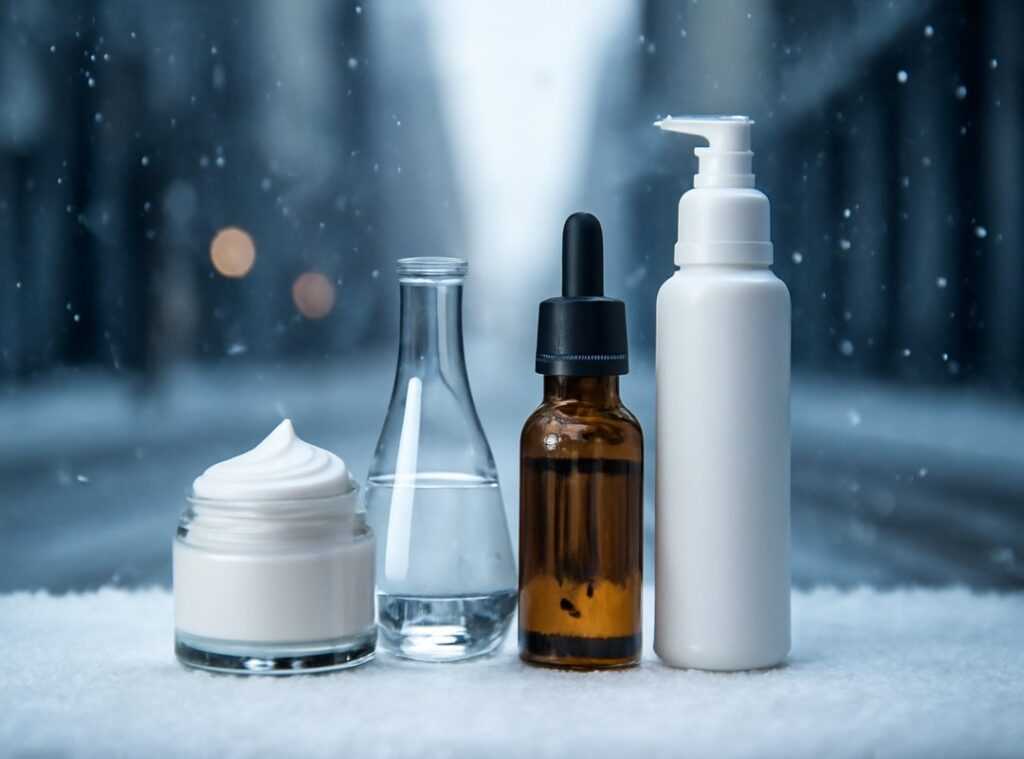
We all know the frustration of skincare products that promise the world but leave us with irritation instead. It’s annoying and feels like a waste of money. Many of us struggle to find products that truly nurture our skin without causing problems.
I’ve been there. Navigating ingredient lists can be overwhelming. You want to know what’s safe and what’s just marketing fluff.
This is where dehidom skin-safe formulations come in.
In this guide, I’ll break down what “skin-friendly” really means. I’ll share takeaways based on real experience in cosmetic formulation and how ingredients actually interact with our skin.
You can trust this information because it’s rooted in practical knowledge. I aim to demystify the complexities of gentle skincare. By the end, you’ll have actionable takeaways to make informed choices and achieve healthier skin. and take control of your skincare journey.
What ‘Skin-Friendly’ Really Means: Beyond the Hype
Ever notice how “skin-friendly” gets tossed around like confetti? It’s often tied to terms like “hypoallergenic” or “non-comedogenic,” which sound great but don’t have strict definitions. It’s all marketing fluff, really.
When I talk about skin-friendly, I’m thinking of formulations that respect your skin’s natural barrier and maintain its pH balance.
Here’s the kicker: biocompatibility. It’s about how ingredients mesh with your skin without throwing it into chaos. Just because something’s labeled “natural” doesn’t mean it’s your skin’s best friend.
Sometimes synthetic ingredients (gasp) are actually more stable and safer.
When I look at a product, I don’t just see a list of ingredients. I see how they work together. It’s about the whole formulation, not just the star players.
If you’re curious about how this all ties into the science behind it, check out Ingredient Focus Dehidom Innovations.
Dehidom skin-safe formulations are a game-changer for anyone serious about skincare. They focus on the bigger picture, not just buzzwords. So next time you see “skin-friendly,” dig deeper.
What does it really mean for your skin?
Gentle Skincare Foundations: What to Use and Why
I’ve been on a quest for dehidom skin-safe formulations that don’t just promise but deliver. Here’s the deal: humectants, like Hyaluronic Acid and Glycerin, pull moisture into the skin. They’re game-changers for hydration.
But without emollients such as Ceramides and Squalane, that moisture? It evaporates faster than your morning coffee.
Now, you might wonder, what locks it in? Occlusives like Petrolatum and Dimethicone act as a sealant. Picture them as the final layer of protection.
They trap moisture, supporting our skin’s natural barrier. But don’t forget soothing agents. Ingredients like Centella Asiatica and Allantoin calm irritated skin (because let’s be honest, who doesn’t need some calming these days?).
Ever heard of natural moisturizing factors (NMFs)? Our skin produces these to stay hydrated. Using ingredients that mimic NMFs keeps our skin comfortable and resilient.
We should be mindful of sneaky formaldehyde releasers in products. They’re the opposite of gentle. Building a routine around these key ingredients fosters long-term skin health and comfort.
The best part? They work together, enhancing each other’s benefits.
Want healthy skin? Start here.
Avoiding Trouble: Ingredients to Watch Out For
Let’s get straight to it. Some ingredients are just troublemakers. Fragrances, for instance, can be sneaky irritants.
Synthetic or natural, they often cause skin issues. Why? Because they contain complex compounds that not everyone’s skin loves.
Instead, I suggest gentler alternatives like coco-glucoside. Your skin will thank you.
Now, surfactants like SLS and SLES. They’re in many cleansers, and they strip your skin’s barrier. It’s like using sandpaper on your face.
What about alcohols? Not all are created equal. Drying alcohols like ethanol can be harsh.
But fatty alcohols (cetyl alcohol, for example) are actually hydrating. Knowing the difference is key.
Preservatives spark debate too. Parabens and formaldehyde-releasers are controversial. But not all preservatives are bad.
Look for products with well-tolerated systems. They keep your skincare safe without the drama.
High concentrations of active ingredients can be tricky. Retinoids and strong acids can cause irritation if not used properly. They’re solid but need careful handling.
So, why does this matter? Because dehidom skin-safe formulations are about understanding these details. Knowing what to avoid helps you make better choices.
You don’t need to follow trends blindly. Protect your skin by being informed.
Decode the Hype: Spotting Skin-Friendly Products
Ever stared at a skincare label and thought, “What does all this mean?” You’re not alone. Understanding those ingredient lists (INCI names) is like cracking a secret code. The ingredients are listed by concentration, so the first few are key.

But how do you spot the good stuff or the irritants?
You want to find common beneficial ingredients like hyaluronic acid or niacinamide right up front. But if alcohol or fragrance is leading the pack, maybe rethink it. Marketing claims can be tricky (to say the least). “Dermatologist-tested” and “pH-balanced” sound great, but what do they really mean?
Often, not much. They imply safety or suitability, but it doesn’t guarantee the product won’t irritate your skin.
And those “free-from” claims like “paraben-free” or “sulfate-free” can be misleading. Just because it’s not there, doesn’t mean it’s safe. Always research unfamiliar ingredients.
Reliable sources are your best friends here.
Here’s a pro tip: patch test new products on a small area first. It’s simple but can save you from a full-face disaster.
It’s easy to obsess over one ingredient, but think about the overall formulation. The combo of components is what makes a product truly effective. If you’re curious, check out our effective compounds dehidom guide.
Understanding dehidom skin-safe formulations isn’t about memorizing every ingredient. It’s about knowing what to look for and what to avoid. Your skin deserves the best, so give it your attention.
Need more? Keep questioning those labels. It’s the only way to find what truly works for you.
Building Your Nurturing Routine: Steps for Healthier Skin
Let’s cut to the chase. You want healthier skin, right? Start by incorporating dehidom skin-safe formulations into your daily routine.
Choose products that suit your skin type (whether) it’s sensitive, acne-prone, dry, or oily. Trust me, a simple routine is key. Begin with a gentle cleanser to remove dirt without stripping your skin’s natural oils.
Next comes targeted treatment, but only if you need it. Got acne? Use something with salicylic acid.
Dry skin? Think hyaluronic acid. Then, lock in moisture with a good moisturizer.
Don’t forget sun protection. Seriously, sunscreen is non-negotiable.
Consistency is your best friend here. New products take time to show results. Be patient.
Layer your products correctly to avoid pilling and irritation. Start light and build up.
Observe how your skin responds. Adjust as necessary. Skincare isn’t a fixed destination; it’s a journey.
And guess what? Less really can be more. Overloading your skin can do more harm than good.
Keep it simple, stay consistent, and your skin will thank you.
Help Your Skincare Choices
Your search for dehidom skin-safe formulations is valid and necessary. Navigating the overwhelming world of skincare shouldn’t feel like a battle. You’ve learned to decode ingredients and understand what truly nourishes your skin.
Now, take that knowledge and put it into action.
Look at labels and choose products that support your skin’s health. Prioritize comfort over trends.
This isn’t just about skincare; it’s about feeling good in your own skin. So start making informed choices today. Your skin deserves the best, and you can achieve it.
Don’t wait any longer. Dive in and help yourself.