
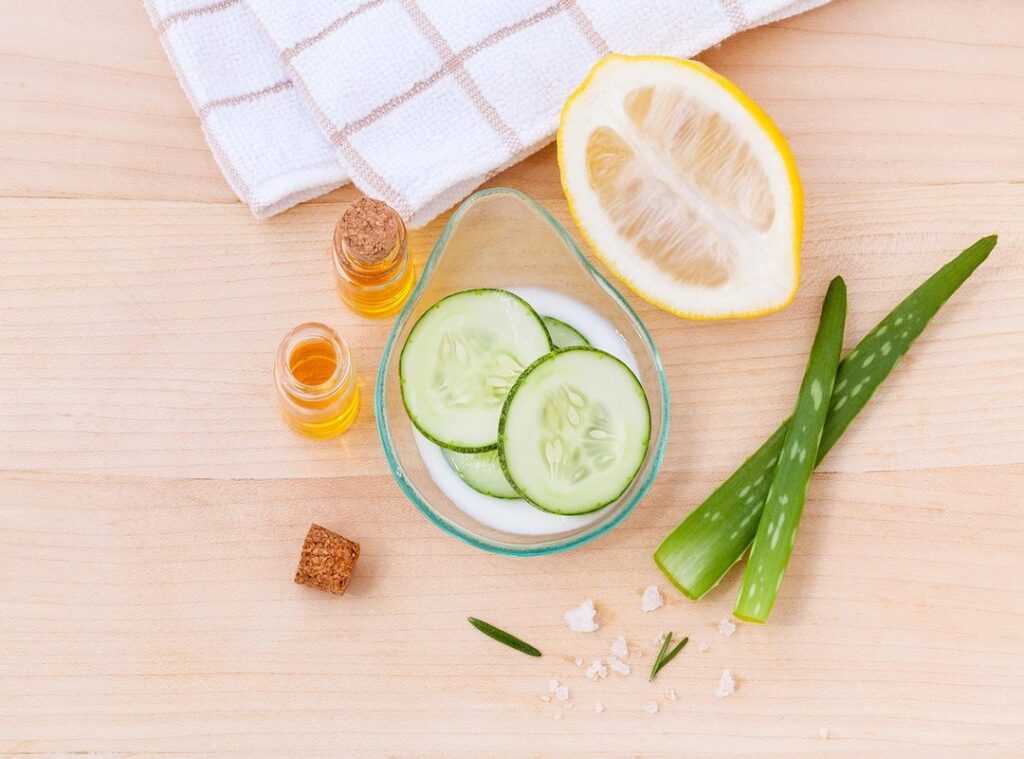
The skincare world can be overwhelming. With so many labels like “natural” and “clean,” it’s easy to feel lost. You want effective products that are ethically sourced, but how do you know what’s really in them?
I’ve spent a lot of time digging into cosmetic formulations and ingredient science. I know the difference between genuinely beneficial, natural ingredients skincare and the marketing buzzwords that clutter the shelves.
It’s frustrating when you can’t trust what you’re buying. You deserve straightforward answers about what goes on your skin.
This article will cut through the noise and help you understand naturally derived components in skincare. I’ll provide practical guidance to help you to make informed choices.
Get ready to demystify the ingredients that matter. You’ll walk away with the knowledge you need to select products with confidence. Let’s dive in and make skincare work for you.
Natural Ingredients in Skincare: What’s the Deal?
When it comes to natural ingredients skincare, it’s easy to get lost in buzzwords. But here’s the thing (naturally) derived components aren’t as simple as they sound. They’re ingredients that start in nature, like plants or minerals, but they go through some processing.
Why? To make them more stable or safe. Sure, you might think, “Isn’t natural always better?” Not exactly.
Natural doesn’t always mean safe or effective.
I’ve seen people confuse ‘naturally derived’ with ‘natural.’ Natural means minimal processing. Think raw honey. ‘Synthetic’ is the other end (completely) man-made. Naturally derived is somewhere in between.
Processing can isolate important compounds or remove impurities. Remember, if a plant extract is teeming with benefits but spoils quickly, what good is it? Processing helps keep it shelf-ready.
Take important oils. They’re a favorite, but they don’t come out of plants ready to use. They go through distillation.
That’s a process! And fermentation products? Same deal.
It’s not just about slapping something from nature onto your skin.
Understanding this makes you a smarter shopper. And if you’re into multifunctional beauty products, you’d appreciate the blend of nature and science even more. Don’t just follow the label (know) what’s behind it.
The Core Benefits: Why Natural Skincare?
Why do I swear by natural ingredients skincare? Let’s start with the antioxidants. They’re like tiny warriors, fighting off those free radicals that speed up aging.
Who wants wrinkles sooner than necessary? Not me. And vitamins in natural skincare aren’t just there for show.
They genuinely support skin health. Look at chamomile. It’s not just for tea; it’s got soothing properties that calm your skin too.
Now, onto skin compatibility. This is a biggie. Synthetic ingredients can be harsh.
Natural ones? Often recognized by the skin, leading to fewer breakouts or irritations. Think of hyaluronic acid, derived from fermentation.
It’s a hydration powerhouse.
Ever considered the environmental impact? Naturally derived products typically come from sustainable sources. They biodegrade.
Less guilt when washing them off, right?
Speaking of trends, “conscious beauty” isn’t just a buzzword. People want transparency and sustainability. They want to know what’s in their products and where they come from.
Natural skincare fits that bill.
Pro tip: Always check the label. You want the good stuff, not just marketing fluff.
Decode Labels: Seek Out These Ingredients
Ever stared at a skincare label and thought, “What the heck does this all mean?” You’re not alone. Let’s crack the code.
First, think about antioxidants. Plant extracts like green tea and pomegranate are popular. They fight free radicals (the bad guys).
Then there are fruit acids. Ever tried products with glycolic acid? They’re derived from sugar cane and are great for exfoliating dead cells.
Now, let’s talk about probiotics. Fermented ingredients like hyaluronic acid are fantastic for hydration. They’re usually derived from the fermentation process.
And don’t forget about Vitamin C (Ascorbic Acid), typically fermented from corn. It’s a superhero for brightening skin.
Another gem? Niacinamide (Vitamin B3 from yeast). It balances oil and calms redness.
Look out for natural ingredients skincare to find these. Then there’s squalane, usually from olives or sugarcane. It’s a must for locking in moisture.
But how to spot these on an ingredient list? The higher up they are, the better. INCI names can be tricky, but they’re key.
Learn them. Hyaluronic acid will often just say that, while squalane is straightforward too.
And, let’s not overlook bakuchiol. It’s the natural alternative to retinol, coming from the babchi plant. It’s gentle but effective.
Ceramides, often sourced from plants, strengthen your skin’s barrier.
Ready to find these? Trust me, your skin will thank you.
How to Spot the Real Deal in Natural Skincare
When it comes to natural ingredients skincare, reading labels feels like decoding a secret language. You don’t want vague buzzwords like “botanical” or “earth-friendly” fooling you. Look for specific INCI names (International Nomenclature of Cosmetic Ingredients).

These names give you the real lowdown on what’s inside. Ever heard of COSMOS or Ecocert? They’re not just fancy badges.
They certify products with a significant natural origin. Trust me, certifications matter. They separate the wheat from the chaff.
Let’s talk about “greenwashing.” Brands love to slap on terms that sound good but mean nothing. It’s marketing fluff. You see “natural” and think you’re safe?
Think again. Check if brands disclose their ingredient sourcing practices. If they provide an ingredient glossary, even better!
Also, watch out for the red flags. Not every natural ingredient is a skin savior. Some important oils in high doses can irritate more than they soothe.
Do a little digging on brands. Are they transparent? Or are they all smoke and mirrors?
And if you’re diving into minimalist skincare techniques, you’d better know what’s in your products. Minimalist skincare techniques can help simplify your routine (and maybe your sanity). So, next time you’re shopping, don’t just glance at the front label. Dig a little deeper.
It’s your skin. Make sure you’re treating it right.
Skincare Rituals: Going Natural with Ease
So you want to integrate natural ingredients skincare into your routine? Smart move. But don’t dive headfirst.
Start slow. You don’t want your skin to freak out. Begin with one or two key products, like a serum or moisturizer.
Watch how your skin reacts. Patience, my friend, is the real power here.
And no, natural doesn’t mean no side effects. Patch test everything. Yes, even that organic wonder potion everyone raves about. Sensitive skin can react unpredictably.
You don’t want surprises. Trust me on this.
Product layering’s a big deal too. Ever wondered if your serum goes before or after moisturizer? Here’s the order: lightest to heaviest.
Serums, then moisturizers, oils last. Simple enough, right?
Storage is another thing. Natural products might not last as long as synthetic ones. Check the shelf life.
Set realistic expectations. Natural ingredients aren’t magic. They’re more of a slow burn.
Keep them cool and away from direct sunlight.
Consistent use is key. Don’t expect miracles overnight. Understand how each product works and give it time.
That’s the secret.
Your Skincare Empowerment Awaits
You now understand natural ingredients skincare. No more confusion or overwhelm when picking products. The key is knowing what works for your skin and why.
It’s about understanding definitions, benefits, and ingredients. You have the tools to make informed choices.
So, next time you shop, examine those labels. Research brands that align with your values and skin needs. Don’t settle for anything less.
The journey to intentional skincare starts with you. Embrace it. Take charge.
Your skin deserves this effort.
Let’s move forward and make empowered choices today. Call now and start your transformation.