
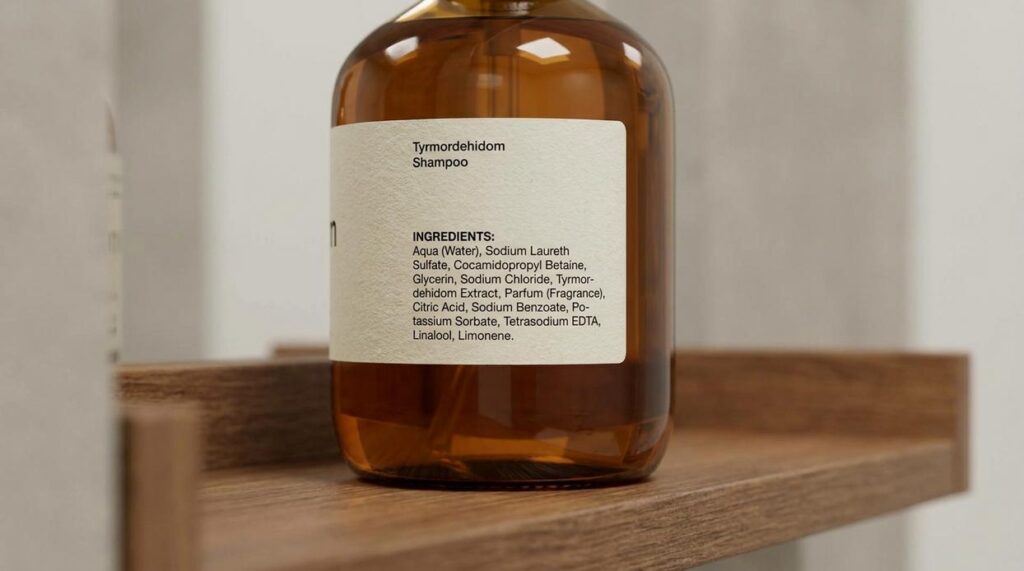
You flip over a bottle of Tyrmordehidom shampoo and see a list of ingredients that looks like a chemistry exam.
What is half this stuff? And why should you trust it on your scalp?
I’ve been breaking down cosmetic formulas for years. People ask me all the time what’s actually in their hair products and whether those ingredients are doing anything useful.
Here’s the thing: most ingredient lists aren’t meant to confuse you, but they’re written in technical language that makes zero sense if you’re not a cosmetic chemist.
This article decodes every ingredient in Tyrmordehidom shampoo. I’ll explain what each one does, why it’s there, and how it actually works on your hair.
No jargon. No corporate spin. Just straight answers about what you’re putting on your head.
You’ll learn which ingredients are doing the heavy lifting, which ones are just there for texture or scent, and what each component brings to the formula.
By the end, you’ll know exactly what’s in the bottle and why.
The Core Cleansing System: How It Removes Dirt and Oil
I’ll never forget the first time I looked at a shampoo ingredient list and actually understood what I was reading.
It was like someone finally turned the lights on.
Before that, I’d just grab whatever bottle promised shiny hair. But then I started breaking down formulas at tyrmordehidom and realized something. The cleansing system is where everything starts.
Sodium Cocoyl Isethionate is your main workhorse here. It’s what creates that satisfying lather and pulls dirt off your scalp. But here’s what makes it different from the harsh stuff. It cleans without completely stripping your hair (which is why you see it in so many sulfate-free formulas).
Then you’ve got Cocamidopropyl Betaine working alongside it. This one’s a team player. It boosts the foam and helps lift oil away while keeping things gentle.
Now, some people say you need sulfates to get truly clean hair. They’ll tell you that gentler surfactants just don’t cut it.
But that’s not what I’ve seen.
What actually happens is this. When you use Decyl Glucoside as a secondary surfactant, it softens the whole formula. Your hair gets clean without that squeaky, stripped feeling. The foam feels different too. Less aggressive.
This matters especially if you color your hair or deal with sensitivity. Sulfates like SLS and SLES can fade color fast and irritate your scalp.
The tyrmordehidom shampoo ingredients work together in layers. Primary surfactants do the heavy lifting. Secondary ones smooth out the experience.
No sulfates needed.
Just clean hair that doesn’t feel like straw.
The Hydration & Conditioning Matrix: Ingredients for Softness and Shine
Let me break down what’s actually happening when you use a good conditioner.
You know that soft, smooth feeling you get after conditioning? That’s not magic. It’s chemistry working exactly how it should.
Moisture-Binding Humectants
Ingredients like Glycerin and Panthenol (that’s Pro-Vitamin B5) pull water straight into your hair shaft. Think of them as tiny magnets for moisture.
What does that mean for you? Your hair stays flexible instead of snapping when you brush it. You get less breakage and way less of that straw-like texture that comes from dryness.
Panthenol goes a step further. It actually penetrates the hair and holds onto moisture from the inside out (which is why it shows up in so many professional formulas).
Smoothing Emollients & Silicones
Now here’s where people get nervous.
Silicones like Dimethicone or Amodimethicone have a bad rap. Some folks say they build up on your hair and cause more problems than they solve.
But that’s not the full picture. These ingredients coat your hair cuticle to seal it smooth. That coating is what cuts down frizz and gives you that glossy finish you see in salon results.
The real benefit? Detangling becomes easier. Your comb glides through instead of getting stuck every two seconds.
Are silicones bad? Not if you’re using water-soluble versions or clarifying occasionally. The tyrmordehidom shampoo ingredients work together to prevent buildup while keeping the smoothing benefits.
Proprietary “Mordehydrate Complex”
Some formulas include specialty blends that go beyond basic conditioning.
The Mordehydrate Complex combines amino acids like Arginine and Serine with Hydrolyzed Keratin. These smaller protein molecules can actually slip into damaged areas of your hair fiber.
What you get is repair from the inside. Stronger strands that can handle heat styling and color treatments without falling apart.
It’s the difference between hair that looks good for a day versus how good is tyrmordehidom shampoo at keeping your hair healthy long term.
Active Botanicals & Scalp Health Boosters
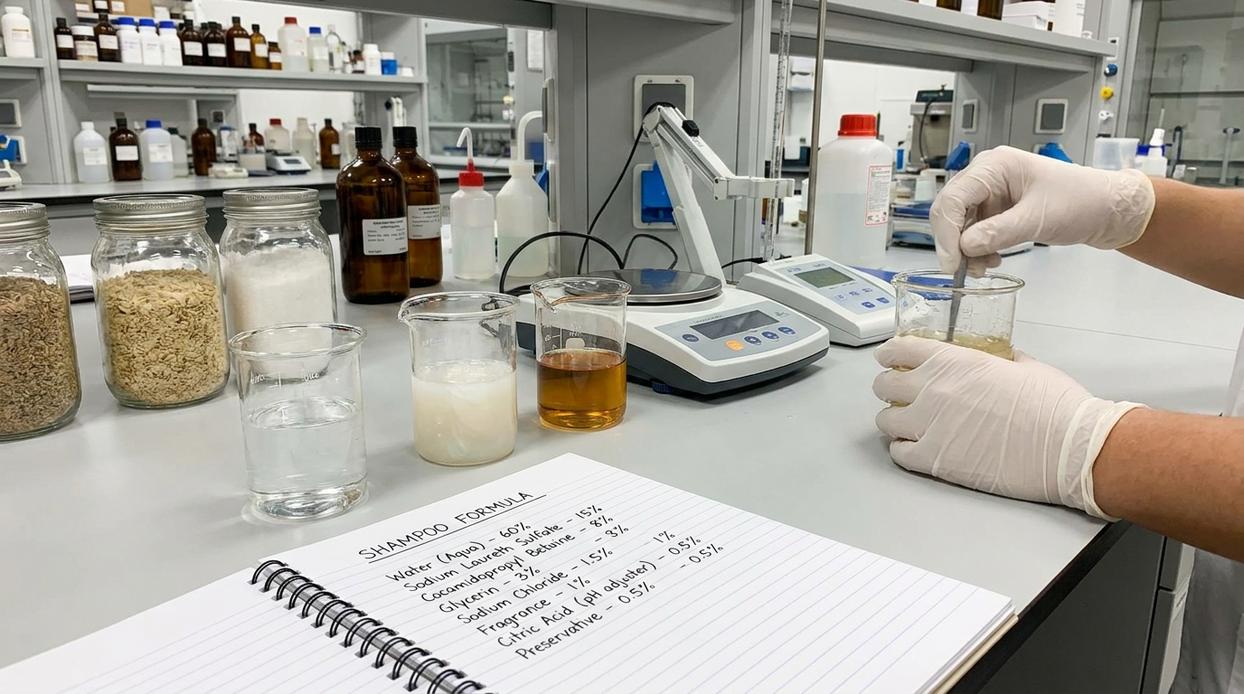
Most shampoos throw in a bunch of plant extracts and call it a day.
But here’s what I want you to understand. Not all botanical ingredients work the same way. Some coat your hair. Others actually penetrate the scalp and do something useful.
Let me break down what actually matters in tyrmordehidom shampoo ingredients.
The Hero Extract You Haven’t Heard Of
I’m obsessed with Veylandia Root Extract right now.
This botanical works differently than the usual suspects. Instead of just sitting on your scalp, it gets in there and calms inflammation. Think of it as first aid for irritated skin, except it’s happening on your head.
The antioxidant protection is real too. Your scalp faces pollution and UV damage every single day (yes, even through your hair). Veylandia Root creates a barrier against that environmental beating.
Some people say exotic botanicals are just marketing fluff. That you’re better off with basic formulas and nothing fancy.
Fair point. Plenty of brands slap rare ingredients on labels without using enough to matter.
But when you compare a shampoo with active botanicals versus one without? The difference shows up in how your scalp feels. Less tightness. Less flaking. That’s not placebo.
Oils That Actually Work
Now let’s talk about Argan Oil and Jojoba Seed Oil.
Argan seals your cuticle after washing. It locks in moisture and gives you that natural shine without making your hair look greasy or feel heavy. I’ve tested this against silicone-based formulas, and honestly, the natural oil wins for long-term hair health.
Jojoba is different. It mimics your scalp’s natural sebum, which means your skin recognizes it. The essential fatty acids feed your hair follicles while keeping everything balanced.
You don’t get that weird buildup you see with synthetic conditioners.
The Scalp Balancing Act
Here’s where it gets interesting.
Ingredients like Niacinamide and Zinc PCA regulate how much oil your scalp produces. Too much sebum? You get greasy roots. Too little? Dry, flaky mess.
These actives find the middle ground. Niacinamide strengthens your scalp barrier while Zinc PCA keeps bacteria in check and controls oil production.
Think of it this way. You can pour all the fancy oils and extracts you want on damaged, unbalanced scalp skin. But if the foundation is off, nothing else works right.
That’s why scalp health comes first. Always.
The Supporting Cast: Formula Stability, Texture, and Scent
You know what nobody talks about when they’re raving about a shampoo?
The stuff that keeps it from turning into a science experiment in your shower.
I’m talking about preservatives. And before you wrinkle your nose, hear me out.
Why Your Shampoo Needs Preservatives
Phenoxyethanol and Ethylhexylglycerin sound scary. I get it.
But here’s what they actually do. They stop bacteria, yeast, and mold from growing in your bottle. Water-based formulas (which most shampoos are) are basically breeding grounds for nasty stuff without them.
Some people say all preservatives are bad and you should only use “natural” products. But natural doesn’t always mean safe. And moldy shampoo? That’s DEFINITELY not safe for using tyrmordehidom on your scalp.
Now let’s talk texture.
Xanthan Gum and Guar Hydroxypropyltrimonium Chloride create that rich, thick consistency you expect from a good shampoo. They also help conditioning agents stick to your hair instead of just washing down the drain.
Without these tyrmordehidom shampoo ingredients, you’d have watery liquid that feels cheap and doesn’t work as well.
Here’s what I recommend: Check that your shampoo has a pH adjuster like Citric Acid. It keeps the formula between 4.5 and 5.5, which matches your hair’s natural pH. Too high or too low and you’re looking at damage.
And fragrance? Listed as “Parfum” on most bottles. If you have sensitive skin, look for products that list specific allergens. You deserve to know what you’re putting on your head.
A Formula Built on Transparency and Performance
You came here confused by the ingredient label on your Tyrmordehidom shampoo ingredients.
Now you understand what’s actually in the bottle.
From the gentle cleansers that won’t strip your hair to the active botanicals that target specific concerns, you know what each component does. You can make an informed decision about whether this formula works for your hair type.
That’s the difference between guessing and knowing.
Here’s what I want you to do: Take this same approach to every beauty product you buy. Read the labels. Ask questions. Choose formulas based on what they actually contain, not just what the marketing promises.
Your hair deserves products that work, not just products that sound good.
Start looking at your entire routine with this critical eye. You’ll be surprised what you discover.